
Bathroom (EE)




Window - Bathroom
Ventilation
Ventilation
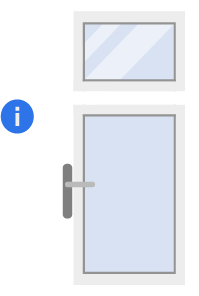
Bathrooms can get damp because activities like showering and bathing produce lots of warm, moist air in a small space. When this humid air touches cold surfaces- such as tiles, mirrors, walls or ceilings- it turns into condensation, which can linger and lead to dampness and mould growth. Opening a window helps by letting the moist air escape and allowing fresh, drier air to flow in. This reduces humidity levels more quickly, prevents condensation from settling on surfaces and helps keep the bathroom dry, reducing the risk of damp and mould forming.
Cost
Cost
Free Making sure that you control moisture released into the air by baths and showers through opening windows is a low-cost way of helping reduce the risk of condensation, damp and mould. You can also reduce the moisture in your bathroom by wiping away water and condensation that gather on windows (and wringing out any damp cloths into the sink) and by wiping down windows with a squeegee.
£ Dehumidifier pots on windowsills can help with managing excess moisture and condensation. If you have wooden window frames, dehumidifier pots are also a cost-effective way of minimising some of the potential damage to these: moisture can be absorbed by wooden window frames which can cause them to rot, warp or swell which in turn can encourage mould growth and pests.
Further information on ventilation and how to tackle condensation, damp and mould
Further information on ventilation and how to tackle condensation, damp and mould
Read the Good Home Lincs Guide to condensation, damp and mould
Check out the Good Home Lincs information on Common hazards to find out more about how to manage damp and mould in your home.