
Bathroom (EE)



Shower Bath
Excess moisture
Excess moisture
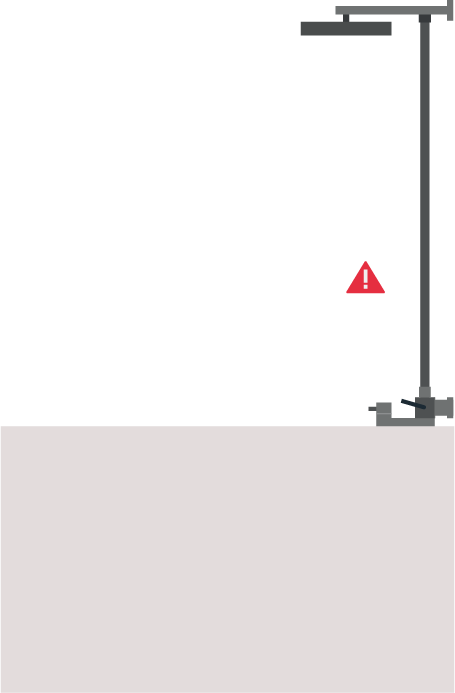
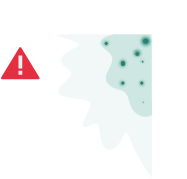
Bathroom showers create moisture in the air because hot water produces steam, which increases humidity, especially in a small, enclosed space. Without good ventilation, this moist air settles on cold surfaces like walls, ceilings, tiles and windows, leading to condensation. Over time, this excess moisture can cause problems such as black mould growth, peeling paint, damaged plaster and unpleasant damp smells.
Risk
Risk
Damp can pose health risks as it can lead to high humidity and mould growth. Breathing in mould spores can cause respiratory problems and can worsen existing health conditions such as allergies and asthma. Some groups of people, such as children and babies and people with medical conditions such as asthma, can be at greater risk, so it is important to tackle condensation, damp and mould.
Cost
Cost
Free Control moisture released into the air by baths and showers through closing doors and opening windows. You can also reduce the moisture in your bathroom by wiping away water and condensation on tiles (and wringing out any damp cloths into the sink) and by wiping down shower doors with a squeegee.
£ Run extractor fans when needed, as this is a low-cost way of helping reduce the risk of condensation, damp and mould. You may also want to trial dehumidifier pots or moisture traps, which can be purchased at relatively low cost.
££ It may also be important to understand what is causing persistent mould, if good ventilation is not working: you may want to talk to a professional to see if there are any underlying structural issues in your home which are contributing to problems with damp and mould. Check out the Good Home Lincs pages on Finding Trusted Tradespeople
If you rent your home, you may not be responsible for meeting these costs. Shelter has information on your landlord’s responsibilities Damp and mould in private rented homes
Further information on ventilation and how to tackle condensation, damp and mould
Further information on ventilation and how to tackle condensation, damp and mould
Read the Good Home Lincs Guide to condensation, damp and mould
Check out the Good Home Lincs information on Common hazards to find out more about how to manage damp and mould in your home.