
Kitchen (EE)





Oven
Ovens and hobs
Ovens and hobs
There are many different things that you can do to save energy when cooking with your oven and on your hob.
Ovens
Gas ovens may be cheaper to run, but electric ovens are generally more energy efficient. If you’re reheating food, however, use a microwave, as microwaves tend to be more efficient at this task. When you’re cooking, keep the oven door closed as much as possible; each time you open the door, heat escapes and your oven then needs to use more power to get back up to temperature. Food in the oven cooks faster when the air inside flows freely, so don’t put foil on the racks. Avoid keeping baking trays in the oven when you are cooking, as this also reduces the flow of air and can increase cooking time. Make sure your oven is clean, as a clean oven will reach temperature faster and distribute heat more evenly. Turn off the oven early, a few minutes before the end of your cooking time, as the residual heat will finish cooking your food. Batch cook and make use of all the space in your oven while it’s on.
Hobs
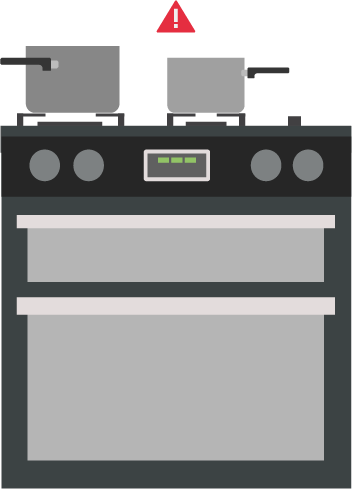
Induction hobs are most energy efficient, heating the pan directly rather than the air around it (but remember that not all pots and pans are compatible with induction hobs). Gas hobs are the least efficient at heating pans but, as with ovens, gas can be cheaper than electricity, so gas hobs may actually be more cost efficient. When cooking: boil water in the kettle beforehand rather than heating it on the hob, and only boil the amount of water you need; use the right size hob ring for the pan: too large a hob for your chosen pan will waste energy, too small a hob ring will mean it takes longer to cook your food; cover your pots and pans with a lid when you’re cooking to keep heat in, reduce cooking time and reduce wasted energy. Pans with lids also reduce the chance of damp and condensation in your kitchen by trapping the moisture released by cooking.
Cooker hoods
Cooker hoods are fitted over your hob, and are similar to an extractor fan but have specialist filters to handle grease and smoke. They remove particles released by cooking and can also help reduce moisture in your kitchen. Use a low setting on your cooker hood if you can and use higher speeds only if necessary. Replace any odour filters and clean your cooker hood regularly to keep it working efficiently: clogged filters cannot perform as well and may lead to longer usage times and more energy consumption.
Risk
Risk
Damp and condensation caused by cooking can pose health risks as it can lead to high humidity and mould growth. Breathing in mould spores can cause respiratory problems and can worsen existing health conditions such as allergies and asthma. Some groups of people, such as children and babies and people with medical conditions such as asthma, can be at greater risk, so it is important to tackle damp and mould.
Cost
Cost
Free Open windows when cooking to help ventilate the room. Make sure you put lids on pans to reduce moisture in the air.
£ Run cooker hoods or extractor fans to help ventilation. Upgrading your pans and dishes may lead to more energy efficient cooking.
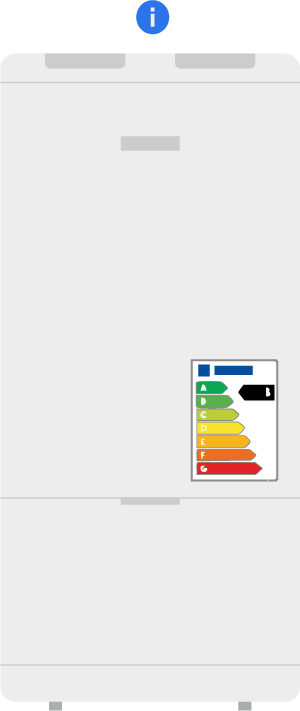
££ If replacing hobs or ovens, do some research to see which type best meets your needs: though as a general rule, electric and induction appliances tend to be more energy efficient. Also try and choose the most energy efficient appliance you can- when looking at energy ratings remember that A is the highest (most energy efficient), G is the lowest.