
Living Room (EE)





Boxes
Excess possessions and clutter
Excess possessions and clutter
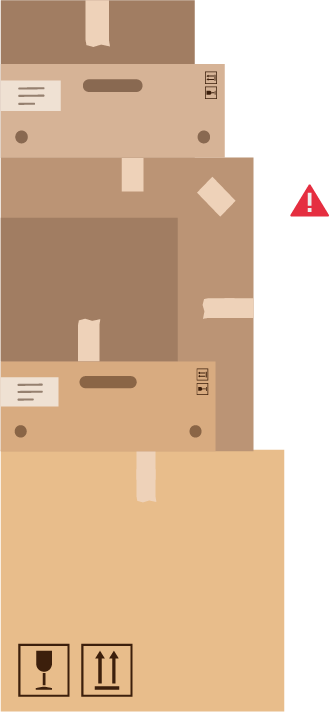
There are lots of reasons why people may live in a cluttered home: there may be too many people and their possessions in a small home; people may struggle to organise their things or maintain a tidy space; there may be a lack of storage or no designated places for items; or people may struggle to get rid of their belongings due to emotional attachment to their possessions. If there is a lot of clutter in the home, this can mean that there is reduced ventilation and an increased risk of damp and mould; greater trip and fall hazards; a risk of not finding possessions or important documents and letters; and increased fire risk, amongst other things. Living in a cluttered home means that you might not be able to use rooms as intended, and can also impact on mental health.
Air circulation
If a home is cluttered, and boxes or items are tightly packed together or placed against walls, this means that air cannot circulate well through the room. Trapped, moist air can condense behind and between clutter and items, which may lead to mould or damp issues developing. If there are a lot of possessions in the home, it may be hard to see if you have problems with damp and mould. A cluttered home may also mean you have reduced access to doors and windows, which are important for ventilation, and clutter may block radiators or sources of heat for your home.
Risk
Risk
Damp can pose health risks as it can lead to high humidity and mould growth. Breathing in mould spores can cause respiratory problems and can worsen existing health conditions such as allergies and asthma. Some groups of people, such as children and babies and people with medical conditions such as asthma, can be at greater risk, so it is important to tackle damp and mould.
Fire safety
Items stacked near heat sources or electrical outlets can ignite more easily, and cluttered homes provide more fuel for fires. Fires may also spread faster through a cluttered home, and belongings can block exits, preventing escape. Excess clutter may also pose a trip hazard.
Cost
Cost
Free Complete the Online Home Fire Safety Check to get advice and guidance on fire safety. Try to arrange possessions so that they are not blocking doors, exit routes, windows or radiators, if it is safe to do so. Try to ventilate your home as much as you can by keeping trickle vents on your windows open, using extractor fans or opening windows to let air circulate.
££ Consider hiring someone to help you declutter and/or clean your home, or to dispose of possessions you no longer want (depending on what you are disposing of, you may need to check that the person you are employing has a licence to remove waste).
Further information on how to tackle a cluttered home
Further information on how to tackle a cluttered home
Take a look at the Good Home Lincs pages on Cleaning, Repairs and Gardening
Check out the Good Home Lincs information on Common hazards to find out more about clutter in the home.
Check out the Good Home Lincs information on Fire safety to find out more about how to keep your home safe from fire.
For help and support with hoarding disorder, take a look at the Hoarding UK, Hoarding Disorders UK and Mind websites.