
Living Room (EE)




Thermostat
Heating controls and thermostats
Heating controls and thermostats
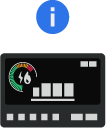
Heating controls can help you keep your home comfortably warm without overheating it. Heating controls and thermostats set the temperature of your home and tell your heating when to come on and turn off. Some heating systems have manual controls; others can be connected and controlled through the internet or apps, and can be adjusted remotely. Heating controls and thermostats may vary depending on the type of heating you have in your home.
There are lots of different types of heating controls, so it is best to check with your heating installer or the manufacturer of your heating system for specific advice.
There are a number of ways that you can use your heating controls and thermostats to ensure your home is warm enough but also to save you energy. Top tips include:
- Reducing your thermostat by 1°C or 2°C, to save money and energy (without making your home too cold): the ideal comfortable, energy-efficient range is 18°C-21°C: the NHS recommend a home temperature of around 18°C, but personal preference and the needs of the individual need to be considered: for example, older people who also have limited mobility may need to have their thermostat set at the higher end of this range.
- Adjusting the temperature of your home while away/at night.
- Using a programmable/smart thermostat to automatically adjust your heating to a set schedule, for example, lowering the temperature on the days or times when you are out at work.
- Proper placement of your thermostat: make sure the thermostat is not blocked by curtains or furniture, and is away from direct sunlight or draughts so that it can accurately read the room temperature.
- Use zoning: if this is possible with your system, use zoning to heat or cool only the rooms that are in use.
- Lower boiler temperature: for combi-boilers, setting the flow temperature to 55-60°C can further reduce energy usage.
Staying warm at home
It is important to try and stay warm at home. Living in a cold home can affect our health. Cold temperatures can increase blood pressure and the risk of respiratory infections, heart attacks, and strokes, particularly in individuals over 65 or those with pre-existing conditions. Extremely cold homes can increase the risk of hypothermia, particularly for those people who might be vulnerable such as older adults (65+), young children (under 5), people with chronic cardiovascular or respiratory conditions, and those with disabilities or other medical conditions. Having a warm home additionally protects your property, by helping prevent frozen pipes and reducing the risk of condensation, damp and mould.
Cost
Cost
Free Adjusting your thermostat and setting timers that suit your lifestyle, and making sure your thermostat is in the right place.
££ If you don’t have heating controls on your system, you might want to consider installing them. It is likely that this is best done by a professional. Check out the Good Home Lincs pages on Finding Trusted Tradespeople
Further information on heating and energy efficiency
Further information on heating and energy efficiency
Check out the Good Home Lincs information on Heating and Energy
Check out the Good Home Lincs information on Grants