
Living Room (EE)




Radiator
Heating: radiators
Heating: radiators
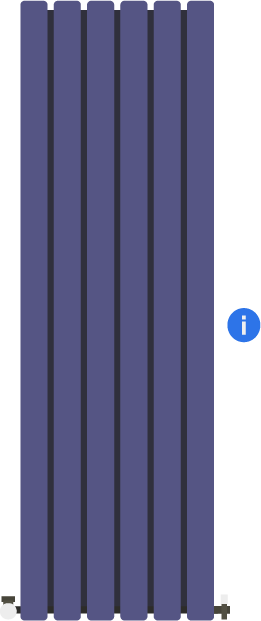
Many homes are heated through a network of radiators. Whilst your central heating system will need to be serviced and maintained by a professional, there are several things you can do to make sure your radiators work effectively. Don’t block the heat: move your furniture away from radiators. A space of about 30cm (12 inches) will allow the warm air to reach the room. If you can, adjust the temperature of individual radiators: keep the rooms you use most often warmer, and the less-used rooms can be heated to a lower temperature. If you feel confident to do so, bleed your radiators to ensure that they are working efficiently (you may also need to repressurise your boiler if you do this, check your boiler’s operating instructions for advice).
Foil
Radiator foil, also called radiator reflective panels, are thin sheets of reflective material or foil: some of them also have a thin layer of insulating material. These are installed behind a radiator and reflect heat back into the room, as well as reducing heat loss through the wall. Radiator foil is most beneficial when installed behind radiators which are on an external wall. Radiator foil and reflective panels can be bought from DIY stores, and they are relatively easy to install yourself. If you are renting your home, it is advisable to check with your landlord before you install anything in your home.
Staying warm at home
It is important to try and stay warm at home. Living in a cold home can affect our health. Cold temperatures can increase blood pressure and the risk of respiratory infections, heart attacks, and strokes, particularly in individuals over 65 or those with pre-existing conditions. Extremely cold homes can increase the risk of hypothermia, particularly for those people who might be vulnerable such as older adults (65+), young children (under 5), people with chronic cardiovascular or respiratory conditions, and those with disabilities or other medical conditions. Having a warm home additionally protects your property, by helping prevent frozen pipes and reducing the risk of condensation, damp and mould.
Cost
Cost
Free Make sure heat from your radiator is not being blocked by furniture or curtains. Bleed your radiators if you feel confident to do so. Adjust the temperature of individual radiators to meet your needs.
£ Radiator foil is relatively low-cost to buy, and many people will fit radiator foil and panels themselves. You may want to hire someone to check your heating system or fit radiator foil: check out the Good Home Lincs pages on Finding Trusted Tradespeople
Further information on heating and energy efficiency
Further information on heating and energy efficiency
Check out the Good Home Lincs information on Heating and Energy
Check out the Good Home Lincs information on Grants