
Living Room (EE)








Window - Living Room
Windows
Windows
Windows can impact the energy efficiency of your home. UPVC (plastic) windows are usually energy efficient and can stop heat escaping from your home: but you do need to ensure that your home is sufficiently well ventilated to reduce the risk of damp and mould, as warm, moist air can be trapped in your home. Wooden windows can be susceptible to rot, water damage, cracking or warping due to heat and moisture and are likely to be less energy efficient as they can be draughty.
Opening windows and trickle vents
If your windows have trickle vents (they are usually seen on modern, UPVC windows) make sure they are opened, or opened regularly, to allow for good ventilation and to let moist air escape. Trickle vents can be added to older plastic windows which don’t already have them. You can also open your windows to ventilate your home. If opening your windows, you should do this for 10-15 minutes (or in the winter or colder weather, a minimum of 5 minutes). You should try and do this at least once a day, and ideally more than once a day. Try and open windows on opposite sides of your home to create a cross breeze. Try and keep trickle vents open at all times: whether it is possible to do this will depend on how cold your home gets. It is important, though, to try and keep your home well-ventilated to reduce the risk of damp and mould.
Draught proofing
Windows can be a source of draughts. Whilst air circulation and ventilation are good for your home, you need to minimize unwanted draughts. You first need to find the source of the draught. You can do this by looking for chinks of light around loose fitting window frames, or by listening for rattles or whistling sounds on windy days. You can help minimise unwanted draughts from windows by fitting foam or brush strips which you can fit yourself (check that anything you buy is suitable for your type of window) or by hiring a professional to fit draught proofing measures.
Curtains
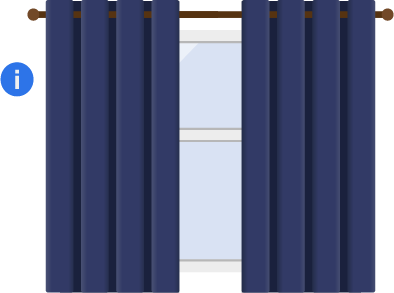
Curtains, especially those with thermal lining, can help reduce draughts. You can buy thermal lining separately and fit this to existing curtains. Floor length curtains with a pelmet or a close-fitting curtain rail mean that it is harder for cold air to escape from the top and bottom of the curtain. Make sure you use curtains that are wider than your windows and that they overlap in the middle where they meet. If you have a radiator in front of your window and you have long curtains, make sure you tuck the curtains behind them to allow heat to travel into the room rather than back behind the curtains.
Secondary glazing
If you have single glazed windows, secondary glazing may help to reduce heat loss and draughts. Secondary glazing can range from transparent film that you can buy and fit to your windows yourself, to temporary (removable) secondary glazing, such as a removable acrylic panel fixed to a window frame by magnets or velcro, or semi-permanent secondary glazing, which generally needs to be fitted by a professional.
Cost
Cost
£ Fit transparent film secondary glazing (for single glazed windows). Dehumidifier pots on windowsills can help with managing excess moisture and condensation. If you have wooden window frames, dehumidifier pots are also a cost-effective way of minimising some of the damage to these: moisture can be absorbed by wooden window frames which can cause them to rot, warp or swell which in turn can encourage mould growth and pests.
££ Retrofitting trickle vents or investing in thicker curtains are likely to have a moderate cost. Professional draught proofing (depending on the issues identified) may also have a moderate cost, as might other forms of secondary glazing.
££/£££ Completely replacing your windows can be expensive, and you might want to replace one window at a time to manage cost. Check out the Good Home Lincs pages on Paying for Works for information on how to finance repairs. If you are getting windows fitted, you may want to make sure they are FENSA registered: see the Good Home Lincs pages on Finding Trusted Tradespeople and also on Windows and Doors. There might be planning restrictions in your local area so you may need to investigate this: have a look at the Good Home Lincs pages on Planning Permission and Building Control
Further information on windows
Further information on windows
Check out the Good Home Lincs pages on Windows and Doors
Check out the Good Home Lincs information on Grants