
Outside (EE)





Open Cavity
Energy efficiency: cavity wall insulation and solid wall insulation
Energy efficiency: cavity wall insulation and solid wall insulation
Cavity wall insulation
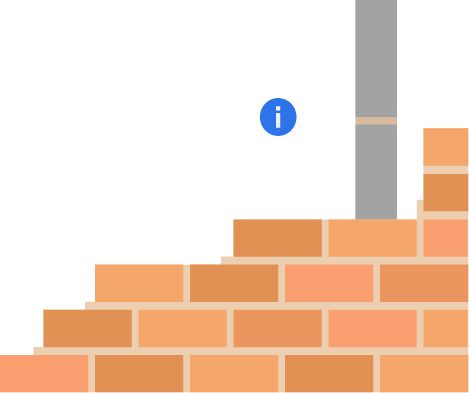
If your home was built after 1920, it is likely to have cavity walls: that is, your external walls will be made up of two layers of brick or concrete block with a gap in between them (homes built after the 1990s tend to already have wall insulation installed; homes built before 1920 tend to have solid walls, with no gap between the bricks). If you have cavity walls, these gaps can be filled with insulation, to help improve the energy efficiency of your home and help lower your power bills.
Solid wall insulation
This is an extra layer that is applied to external walls of your home, on either the inside or outside of your property. This helps to stop heat loss through the walls of the property, improving the energy efficiency of your home and helping to lower your power bills. It is important that this is done correctly to allow moisture and ventilation to be managed. If internal solid wall insulation is installed, this may mean needing to move sockets, skirting boards and redecoration.
Cavity and solid wall insulation
Your home may need a survey to check that cavity or solid wall insulation is suitable for your property, and the process needs to be carried out by a professional. Check out the Good Home Lincs pages on Finding Trusted Tradespeople
Cost
Cost
£££ Installing cavity wall or solid wall insulation can be expensive but there are potential energy savings over the long-term. Look at the Good Home Lincs pages on Paying for Works for information on how to finance repairs.
Further information on insulation
Further information on insulation
Check out the Good Home Lincs pages on Insulation
The Energy Saving Trust has information on Cavity wall insulation and Solid wall insulation
Check out the Good Home Lincs information on Grants