
Outside (EE)





Washing Line
Washing and drying clothes: condensation, damp and energy costs
Washing and drying clothes: condensation, damp and energy costs
Washing clothes
There are ways that you can save power and water when you wash your clothes.
Washing your clothes at lower temperatures and using colder laundry cycles will help to reduce the energy used by your washing machine (and it’s better for your clothes). It is also better to wait until you have a full load before running the washing machine. One full load uses less energy and water than two half-loads.
Drying clothes
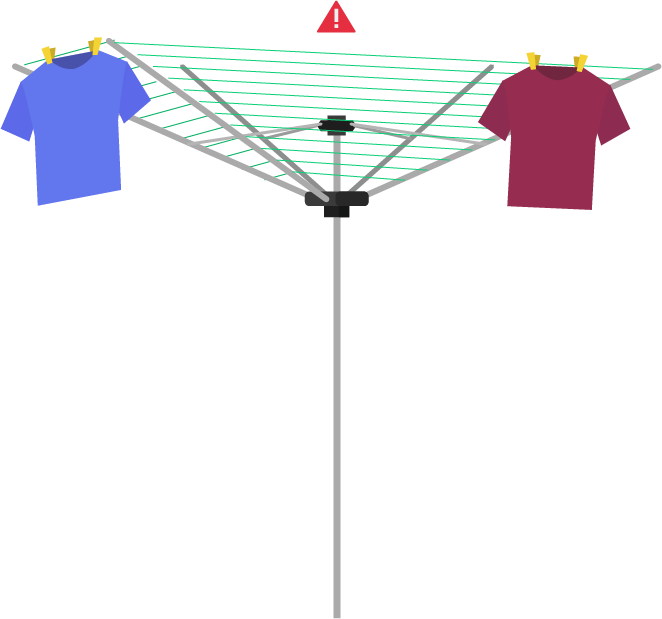
The best way of drying clothes and reduce the risk of condensation, damp and mould, is to dry them outside. Of course, this isn’t always possible, but there are a few things to consider if you can’t dry your clothes outside. Running a tumble dryer can be expensive, but for some people this may be the only option. If you are using a tumble dryer, make sure you clean the filter, otherwise it will not work as efficiently. If you need to dry your clothes inside, other options may be to use a heated airer, or a clothes horse and a dehumidifier: many dehumidifiers come with a laundry setting. If you are drying clothes indoors, be mindful that water from the clothes will end up in the air as the clothes dry, so you need to make sure you ventilate your home. Don’t dry clothes on your radiators: as well as releasing moisture into the air this will make your boiler work harder to heat your home and will also block heat from coming into your room. Never dry clothes on electric or space heaters as this can pose a fire risk.
You should only use washing machines, tumble dryers and dishwashers when you are at home and awake, due to the potential fire risk.
Risk
Risk
Damp can pose health risks as it can lead to high humidity and mould growth. Breathing in mould spores can cause respiratory problems and can worsen existing health conditions such as allergies and asthma. Some groups of people, such as children and babies and people with medical conditions such as asthma, can be at greater risk, so it is important to tackle condensation, damp and mould.
Cost
Cost
Free Choosing cooler laundry cycles, only washing full loads of laundry, drying clothes outdoors when possible, cleaning your tumble dryer’s filter.
££ Heated airers and dehumidifiers can be bought at moderate cost: there are costs involved in running them, but they tend to be cheaper to use than tumble dryers.
Further information on condensation, damp and mould
Further information on condensation, damp and mould
Read the Good Home Lincs Guide to condensation, damp and mould
Check out the Good Home Lincs information on Common hazards to find out more about how to manage damp and mould in your home.